
Summary: September brings a predictable surge in fungal skin infections across North India, particularly in humid cities like Lucknow. Post-monsoon conditions create ideal fungal breeding environments through lingering moisture and elevated humidity levels. Common infections include ringworm, athlete’s foot, and candidiasis, affecting high-risk groups like diabetics, athletes, and children. Prevention focuses on moisture control, breathable clothing, and proper hygiene practices. However, professional diagnosis is crucial since many conditions mimic fungal infections. Self-medication often fails due to misdiagnosis and resistance development. Dr. Asma Skin Clinic emphasizes evidence-based treatment using KOH testing, targeted antifungals, and comprehensive follow-up care for lasting results.
The September Fungal Infection Surge
As September arrives in North India, particularly in cities like Lucknow, dermatologists notice a predictable pattern: a sharp increase in patients presenting with fungal skin infections. From persistent itchy rashes and stubborn ringworm to uncomfortable athlete’s foot and discolored nail infections, these conditions can significantly impact daily life if not properly diagnosed and treated.
At Dr. Asma Skin Clinic in Chowk, Thakurganj and Barabanki, our clinical data consistently shows this September spike in fungal cases. Understanding the scientific reasons behind this seasonal pattern is crucial for both prevention and effective treatment.
The Science Behind September’s Fungal Infection Peak
1. Post-Monsoon Humidity Creates Perfect Conditions
Even as rainfall decreases in September, atmospheric humidity remains elevated—often between 70-85% in Uttar Pradesh. This creates an ideal microenvironment for fungal organisms (dermatophytes) to thrive, particularly in skin folds, between toes, underarms, and areas where moisture accumulates.
2. Temperature-Humidity Combination
September’s warm temperatures (28-35°C) combined with high humidity create what mycologists call the “fungal comfort zone”—conditions that accelerate spore germination and hyphal growth on human skin.
3. Compromised Skin Barrier Function
Extended monsoon exposure weakens the skin’s natural protective barrier (stratum corneum), reducing its ability to resist fungal invasion. Research shows that prolonged moisture exposure decreases skin pH and disrupts beneficial bacteria that normally compete with pathogenic fungi.
4. Behavioral and Environmental Factors
Increased use of shared facilities (gyms, schools reopening), wearing closed footwear in humid conditions, and delayed drying of clothes contribute to fungal transmission and growth.
Common Fungal Infections: Accurate Identification is Critical
Important Note: Many skin conditions mimic fungal infections. Professional diagnosis with KOH (potassium hydroxide) testing or fungal culture is essential before starting treatment, as misdiagnosis can lead to treatment failure and antibiotic resistance.
Primary Types We Diagnose:
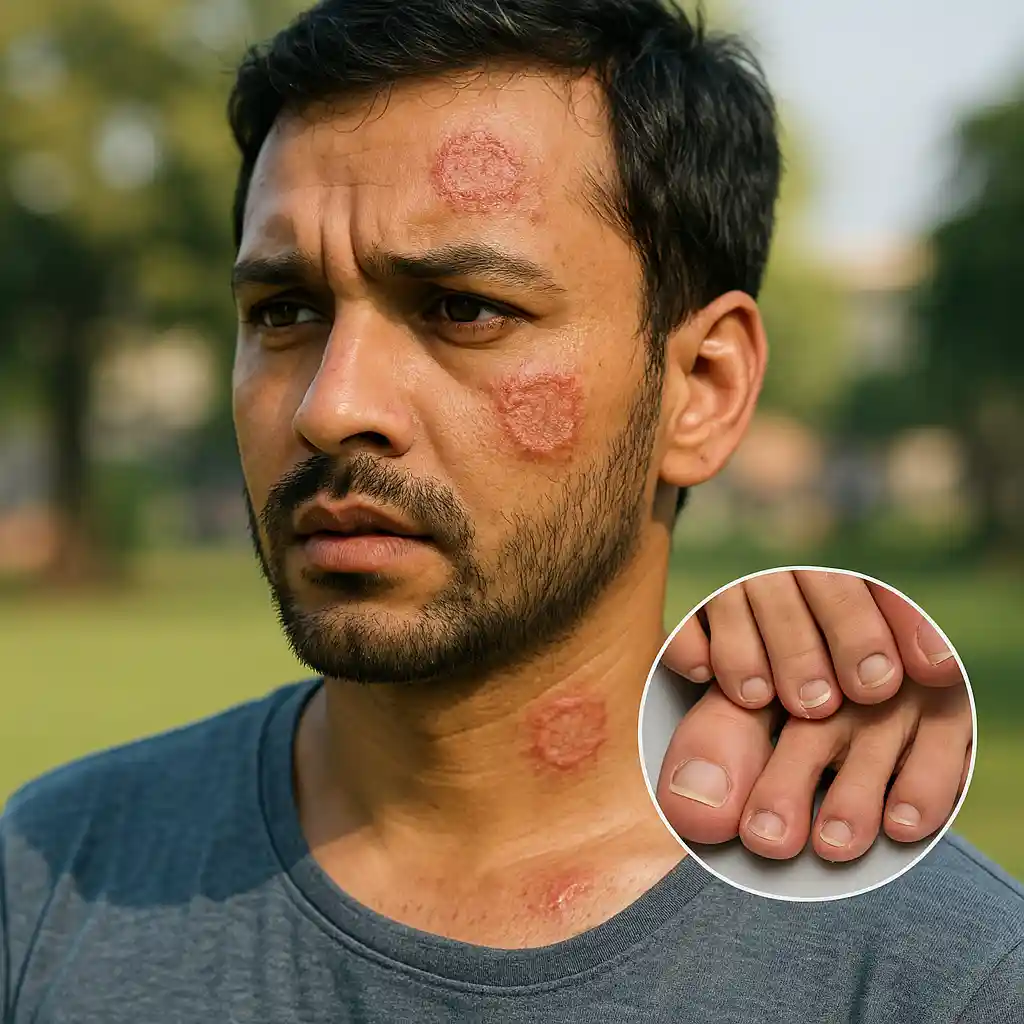
- Ringworm (Tinea Corporis): Circular, red, scaly patches with clear centers that expand outward
- Athlete’s Foot (Tinea Pedis): Scaling, itching between toes, often with maceration and fissuring
- Jock Itch (Tinea Cruris): Bilateral groin involvement with characteristic raised, scaly borders
- Candidiasis: Affects warm, moist areas—presents as red, satellite-lesioned rashes in skin folds
- Onychomycosis: Nail infections causing thickening, discoloration, and brittleness
- Tinea Capitis: Scalp infections more common in children, causing hair loss and scaling
High-Risk Categories: Who Should Be Extra Vigilant
Clinical experience shows certain groups face elevated risk during September:
- Diabetic patients: Elevated glucose levels create favorable conditions for fungal growth
- Athletes and gym users: Frequent exposure to contaminated surfaces and equipment
- Healthcare workers: Regular hand washing and glove use can create moisture-related vulnerability
- Immunocompromised individuals: Reduced ability to fight fungal colonization
- Children in schools: Close contact and shared items increase transmission risk
- Elderly individuals: Age-related changes in immunity and skin barrier function
Evidence-Based Prevention Strategies
Moisture Control (Most Critical)
- Pat skin completely dry after bathing, especially focusing on areas between fingers and toes where moisture often lingers
- Use separate towels for different body areas
- Apply cornstarch-based (not talc) antifungal powder in high-risk areas after dermatological consultation
Fabric and Clothing Choices
- Choose natural, breathable fabrics—cotton allows better moisture evaporation
- Ensure complete sock changes if feet perspire excessively
- Wash clothes in hot water (60°C+) when possible to eliminate fungal spores
- Avoid sharing clothing, especially undergarments and socks
Environmental Hygiene
- Disinfect shared surfaces with antifungal solutions
- Ensure footwear is completely dry before wearing
- Use antifungal sprays in shoes if recommended by your dermatologist
- Maintain proper ventilation in living spaces
Professional Treatment Approach: Why Self-Medication Fails
The Diagnostic Process
At Dr. Asma Skin Clinic, we begin with comprehensive skin analysis using:
- KOH microscopy: Immediate identification of fungal elements
- Fungal culture: Identifies specific species for targeted treatment
- Wood’s lamp examination: Detects certain fluorescent fungi
- Dermoscopy: Evaluates lesion characteristics and treatment response
Evidence-Based Treatment Protocols
Our approach combines:
- Targeted topical treatments: Customized antifungal creams and lotions selected according to the identified fungal strain
- Systemic medications: For extensive or resistant infections
- Adjuvant therapies: Including medicated shampoos and nail lacquers
- Follow-up protocols: Ensuring complete eradication and preventing recurrence
Why Professional Care Matters
Self-medication with over-the-counter antifungals often leads to:
- Incomplete treatment: Symptoms resolve but infection persists
- Resistance development: Inappropriate use creates drug-resistant fungal strains
- Misdiagnosis: Treating bacterial or allergic conditions as fungal infections
- Recurrence: Without addressing underlying causes, infections return
When Immediate Professional Consultation is Essential
Seek dermatological care if you experience:
- Rapidly spreading or worsening lesions despite treatment
- Development of bacterial complications (excessive inflammation, heat sensation, discharge formation)
- Involvement of hair-bearing areas or nails
- Systemic symptoms (fever, malaise)
- Recurrent infections despite apparent successful treatment
- If you have diabetes, immune system disorders, or take immunosuppressive medications
Patient Success Story
“I developed what I thought was eczema on my feet during the monsoon. After using various creams for weeks without improvement, I visited Dr. Asma. She performed a quick test that confirmed it was actually a fungal infection. With proper antifungal medication and guidance on foot hygiene, it cleared completely within three weeks and hasn’t returned in over a year.” — Priya S., Hazratganj, Lucknow
Frequently Asked Questions
Q: How can I tell if it’s fungal or just irritation? A: Professional diagnosis is essential. Fungal infections typically have characteristic patterns, scales, and borders that trained dermatologists can identify. KOH testing provides definitive confirmation.
Q: Can I prevent recurrence after treatment? A: Yes, with proper hygiene, moisture control, and following your dermatologist’s maintenance recommendations. Some patients benefit from periodic prophylactic antifungal applications.
Q: Are fungal infections more serious in diabetic patients? A: Yes, diabetic patients face higher risks of complications and slower healing. They should seek prompt professional treatment and maintain strict blood sugar control.
Q: How long should I continue treatment after symptoms disappear? A: Continue treatment for the full prescribed duration—typically 2-4 weeks beyond symptom resolution—to ensure complete fungal eradication.
Q: Can family members get infected? A: Yes, fungal infections are contagious. Family members should avoid sharing personal items and seek evaluation if symptoms develop.
Expert Care for Lasting Results
September’s unique environmental conditions in North India create predictable challenges for skin health. While understanding prevention strategies is valuable, recognizing when professional intervention is necessary can save you from prolonged discomfort and potential complications.
Fungal infections respond excellently to appropriate treatment when properly diagnosed and managed by experienced dermatologists. Don’t let a treatable condition impact your quality of life—seek expert care for accurate diagnosis and effective treatment.
📍 Professional Dermatological Care Locations
Dr. Asma MD Skin Clinic – Chowk, Lucknow
Address: Subhash Chandra Bose Complex Mandi Crossing, Victoria St, Chowk, Lucknow, Uttar Pradesh 226003
Mobile: +91-9335312242
Find Us: Best Dermatologist in Lucknow
Dr. Asma Skin & Hair Clinic – Thakurganj, Lucknow
Address: NR- Ghante Wala Sweets, Thakurganj, Daulatganj, Lucknow, Uttar Pradesh 226003
Mobile: +91-9335312242
Find Us: Best Dermatologist in Thakurganj, Lucknow
Dr. Asma Skin Clinic – Barabanki
Address: Mohalla Ayodhya Nagar, Naka, Satrikh, Barabanki, Uttar Pradesh 225001
Mobile: +91-9335312242
Find Us: Best Dermatologist in Barabanki
For urgent consultations or questions about fungal infections, contact our clinic directly. Dr. Asma Parveen brings specialized expertise in medical dermatology with a focus on evidence-based treatment protocols for optimal patient outcomes.